The man
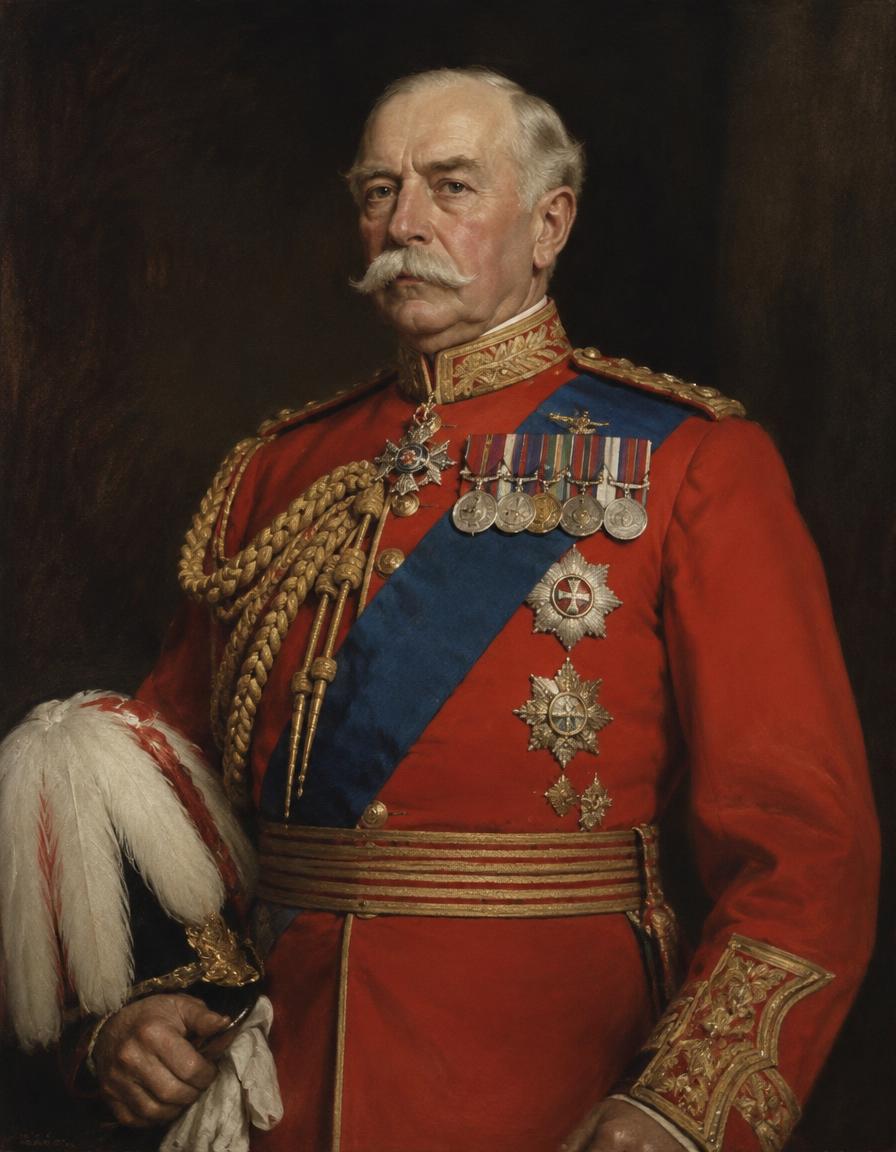
Field Marshal Earl Roberts
VC · KG · KP · GCB · OM — Queen Victoria's “other general”.
The royal story
Received at Osborne House
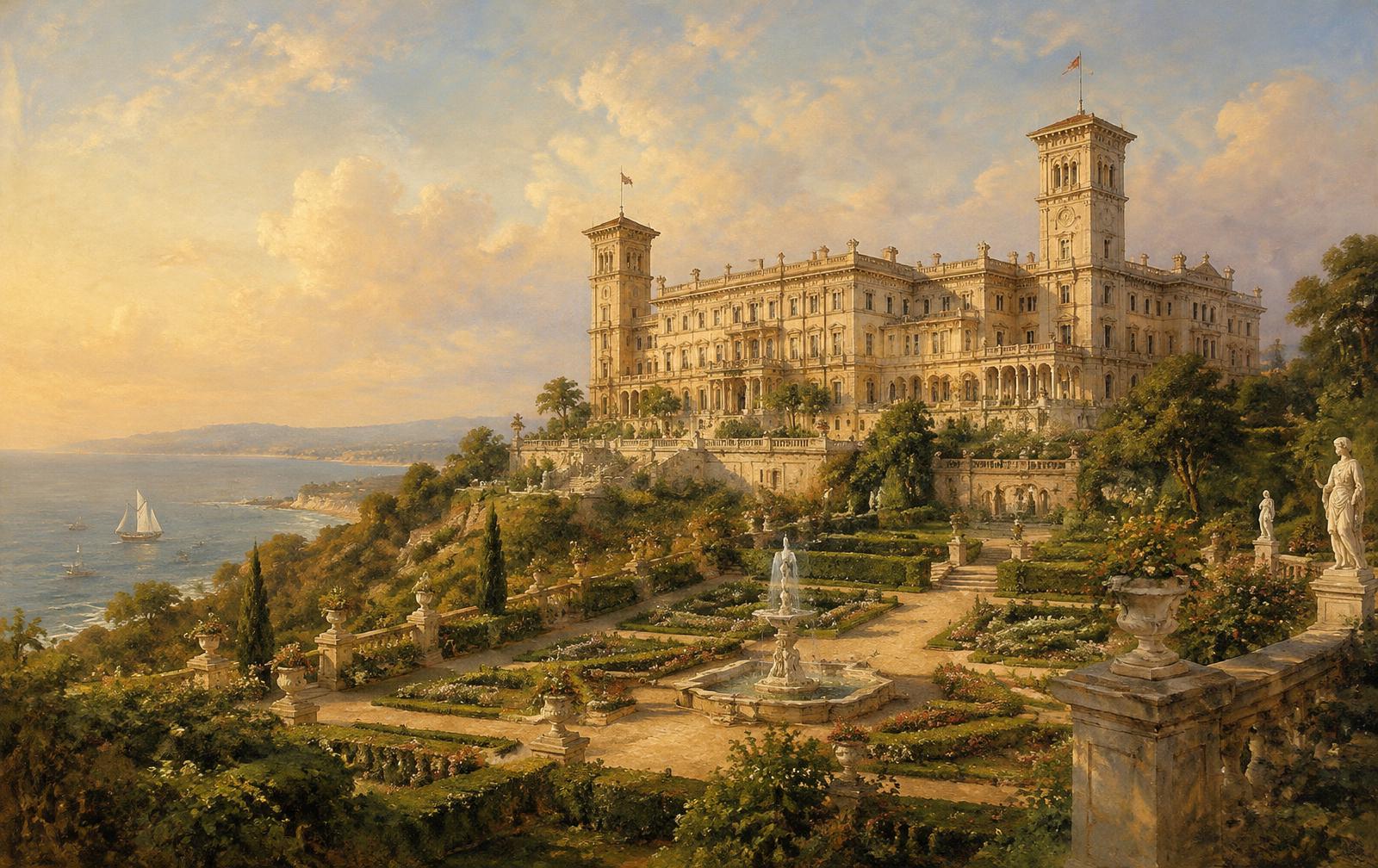
On 2 January 1901 Lord Roberts, newly returned from South Africa, was received by Queen Victoria at Osborne House. She gave him the Order of the Garter and an earldom — with a special remainder to his daughters, for his only son had been killed in the Boer War.
On 14 January the dying Queen summoned him again, wishing to hear about the war. She died just over a week later. It was the Queen herself who wrapped his fallen son's Victoria Cross and handed it to Lady Roberts.
His supporters called him Victoria's “other general”. He rode in the funeral processions of Queen Victoria in 1901 and of King Edward VII in 1910.
1832 – 1914
A life of service
1832
Born at Cawnpore, India, on 30 September.
1853
Initiated a Freemason in Khyber Lodge No. 582, Peshawar, on Christmas Eve.
1858
Won the Victoria Cross at Khudaganj.
1880
The famous march from Kabul to relieve Kandahar — 10,000 men over about 300 miles.
1885
Commander-in-Chief, India (to 1893).
1895
Promoted Field Marshal.
1899
His only son, Freddy, killed at Colenso and awarded a posthumous Victoria Cross.
1900
Took Bloemfontein and Pretoria.
1901
Created Earl Roberts; last Commander-in-Chief of the Forces (to 1904).
1914
Died at St Omer while visiting Indian troops; lay in state in Westminster Hall; buried in St Paul's Cathedral.
Did you know?
- His soldiers called him “Bobs” — and Rudyard Kipling wrote a poem of that name.
- His motto was Virtute et Valore — “by virtue and valour”.
- His equestrian statue has stood on Horse Guards Parade since 1924.
- He and his son are one of only three father-and-son pairs to have won the Victoria Cross.
- He was one of only two non-royals to lie in state in Westminster Hall in the 20th century — the other was Churchill.
Virtute et Valore